how to choose the best treatment for thread veins effectively
Thread veins, also known as spider veins, are small, dilated blood vessels that can appear on the surface of the skin, commonly on the legs and face. While they are not usually harmful, they can be a source of discomfort and self-consciousness for many. With various treatment options available, choosing the best one for your needs is essential. In this article, we will explore effective methods for selecting the most suitable treatment for thread veins in 2026.
Understand the Types of Thread Veins
Before choosing a treatment, it is crucial to understand the different types of thread veins. They vary in size, colour, and location, which can influence the treatment approach. For instance, some individuals may have small, red veins, while others may have larger, blue or purple ones. Identifying the type of thread veins you have is the first step in determining the most effective treatment.
Consult a Healthcare Professional
Consulting a qualified healthcare professional, such as a dermatologist or a vascular specialist, is vital. They can assess your specific condition and provide tailored advice. During the consultation, be prepared to discuss your medical history, lifestyle, and any concerns you have about the thread veins. This information will help the professional recommend the best treatment options for you.
People Also Look For:
- 2 Pairs Zipper Compression Socks for Women Men,15-20 mmHg Open Toe Compression Sock,Knee High Calf Compression Socks for Women Men...
- Health Plus Alpha Lipoic Acid 100mg Antioxidant Supplement - 60 Tablets
- FEISIGE 3 Pairs Compression Socks, 20-30 mmHg Circulation Support - Ideal Compression Stockings for Running, Nursing, Flight, and ...
- ACWOO Compression Socks for Women & Men, 1 Pairs Black Breathable Thin Compression Stockings, Flight Socks Running Socks for Calf ...
- CooTooLa Halloween Compression Socks for Women Men Support Socks Flight Knee High Sock for Athletic Runing Sports Cycing Travel
Consider Treatment Options
There are several treatment options available for thread veins, each with its pros and cons. Here are some of the most common treatments:
- Laser Therapy: This involves using laser technology to target and destroy thread veins without affecting the surrounding skin. It's often recommended for facial veins and offers quick recovery times.
- Sclerotherapy: A solution is injected into the affected veins, causing them to collapse and fade over time. This treatment is particularly effective for larger veins and typically requires multiple sessions.
- Radiofrequency Ablation: This technique uses heat generated by radio waves to close off the affected veins. It is often used for larger veins and may be more suitable for those experiencing discomfort.
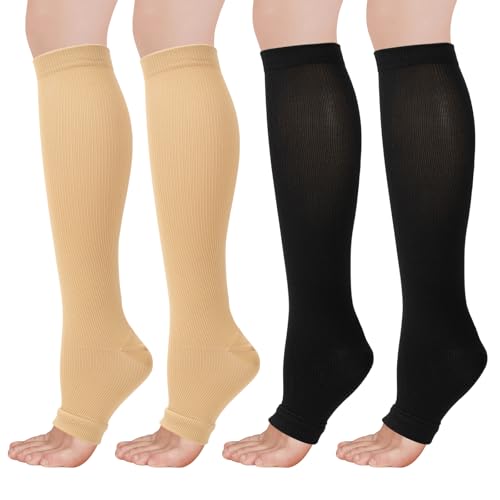
- Compression Stockings: While not a treatment per se, wearing compression stockings can help manage symptoms and prevent further development of thread veins.
Evaluate Factors Affecting Treatment Choice
When choosing a treatment, consider factors such as your skin type, the location of the thread veins, and your budget. Some treatments may be more suitable for certain skin types or colours, and costs can vary significantly based on the clinic and the complexity of the procedure. Be sure to ask your healthcare provider about the expected costs and any financing options available.
Research Clinics and Practitioners
Once you have an idea of the treatment options available, it is essential to research clinics and practitioners. Look for reputable clinics with positive patient reviews and qualified professionals. Check their credentials, experience, and any affiliations with professional bodies. Many clinics offer consultations, which can provide insight into their approach and help you feel more comfortable with your choice.
Discuss Risks and Aftercare
Every treatment carries some risks and requires aftercare. During your consultation, ask your healthcare provider about potential side effects and what to expect post-treatment. Understanding the recovery process and any necessary aftercare will help you make an informed decision and ensure the best possible results.
Follow Up and Monitor Progress
After undergoing treatment for thread veins, it is essential to follow up with your healthcare provider to monitor your progress. They can assess the effectiveness of the treatment and make recommendations for any additional sessions if necessary. Monitoring your condition will help you maintain the results and address any new concerns that may arise.